Quotes in hours.
Surveyors in a week.
Fibre you can own.
It’s the groundwork that makes the network.








Getting fibre installed usually goes badly.
Slow quotes, charges nobody mentioned, late installs, and backup lines that aren’t really separate. Here’s how it normally plays out.
The quote takes six weeks
You ask for a price. Six weeks later it arrives — and the numbers are wrong.
Hidden charges appear
Extra construction costs nobody mentioned suddenly land on the bill.
The wait drags on
Sixteen weeks before the line is live.
The backup line isn’t separate
You paid for two independent routes so one fault can’t take you offline. They turn out to run through the same trench — so a single digger cuts both at once.
The same job, done properly.
We’ve heard the four problems above every week for years. Here’s how we handle each one.
A real price, fast
We pick the right carriers for your site and route: Openreach, Neos, Virgin, BT, Colt and many more, often a combination.
Every cost in writing
We tell you the costs, the extra construction charges and the wayleaves up front — before you sign anything.
We do the build
Then we build it — civils, fibre, the lot — so the timeline is ours to keep, not someone else’s to slip.
Monitored by RADAR™
Dark fibre networks can be monitored by RADAR™: we see a fault before you do, and we know where it is.
Six services. Take what you need.
No tiers, no packages. Most clients start with Consultancy or Design and add the rest as the project moves.

Consultancy
Independent advice on strategy, routes and cost-benefit.
Explore
Design
Architecture, route engineering, tender-ready specs.
Explore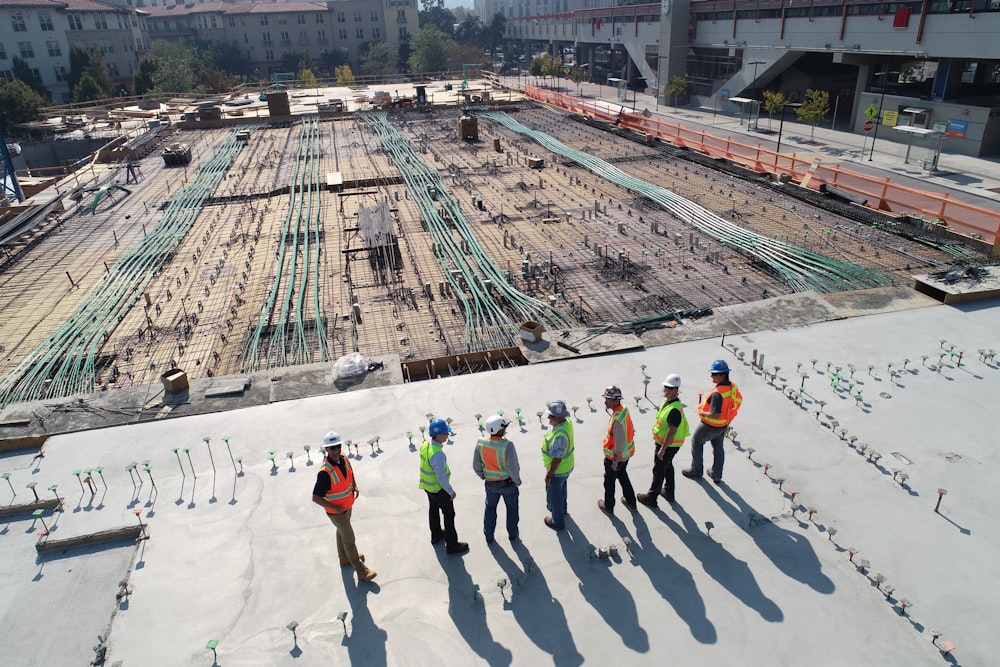
Construction
Civils, ducts, chambers, wayleaves — handled ahead of time.
Explore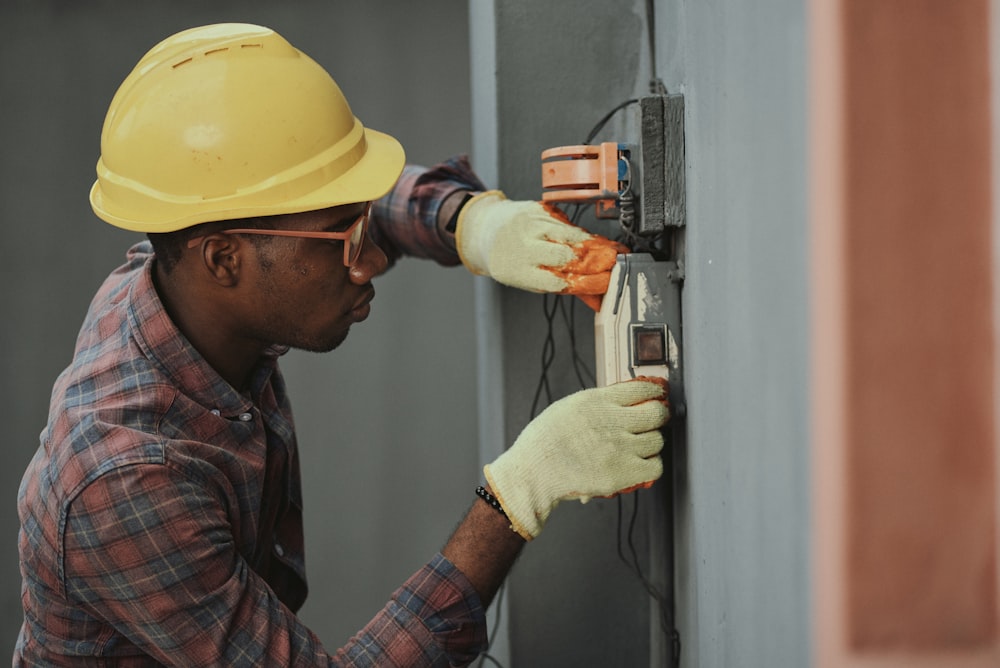
Installation
Fibre blowing, splicing, testing, commissioning.
Explore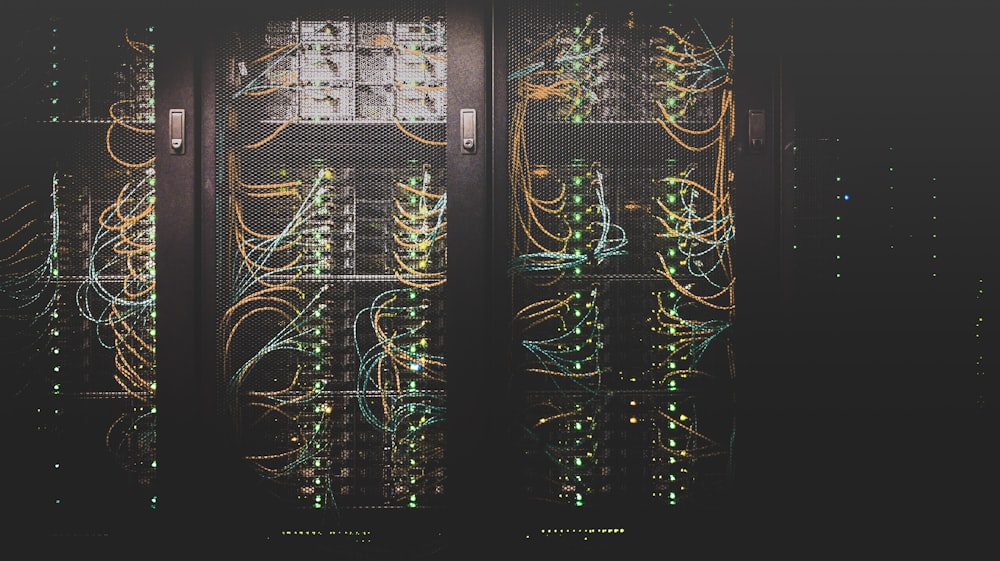
Solutions
The turnkey bundle — one number for the whole job.
Explore
Support
RADAR-monitored care, emergency response, route mapping.
Explore

Eleven buildings. Multi-core dark fibre. Ownership kept with Ask4.
Eleven luxurious residential buildings across West London, plus the Management Suite. Legacy copper out. Multi-core dark fibre in. Ownership of the network kept with Ask4, not the carrier.
The same approach now runs across eleven UK cities: York, Bath, Southampton, Glasgow, Aberdeen, Lancaster, Falmouth, Sheffield, Nottingham, Cardiff and Birmingham. All supported by on-call engineers in the event of a fault. We pick up the phone before they ring.
“The use of multi-core dark fibre cables allows us to benefit from instant scalability. Ownership of the fibre fixes the costs and provides a saving or 50% or more over the projected life of the contract.” — Ask4, West London ResidencesRead the Ask4 case study
What a live fibre looks like.
Light pulses through dark fibre at 1650nm (outside the wavelengths used by your data) so it sees attenuation events the moment they happen. A bend. A trapped lead. A break. Almost before the network notices.
The four pillars.
The four reasons our clients end up owning the fibre they paid for, instead of renting it back from the company that installed it.


£1.49m OFWAT-funded. Dark fibre as a sensor.
A £1.49m project funded by the OFWAT Water Breakthrough Challenge. Severn Trent, Welsh Water, and Northumbrian Water are the partners. Focus Sensors’ Indus™ system turns ordinary telecoms fibre into a sensor that can locate water leaks along the route. Our role is to provide the dark fibre in five test areas.
The wider goal — what OFWAT is funding — is a billion-litre-per-day reduction in UK water leakage by 2030. Dark fibre, the same passive cable that carries data, is doing the sensing.
Read the Focus Sensors case studyThe people you’ll deal with directly.

Steve Ives
Over 35 years managing fibre and connectivity across the world for Magellan and Equant, as well as building fibre networks in the UK.
steve@sicom.uk
Richard Auld
Over 33 years in business telecoms, including telephony, dial-up, broadband, managed networks and dark fibre.
richard@sicom.uk(There’s a wider engineering and surveying team behind both of them. You’ll meet them on a project.)
Four postcodes. Four bandwidths. Your email.
Send us up to four postcodes and the bandwidths you’d want at each. We’ll come back with a budgetary quote — same hour or same day for straightforward jobs, same week for the larger ones.
Start a Free Desktop Survey Or download a free guide